


Loka AI receives EXIST Start-up Grant
26. February 2026
Join Loka AI as AI Founder Associate
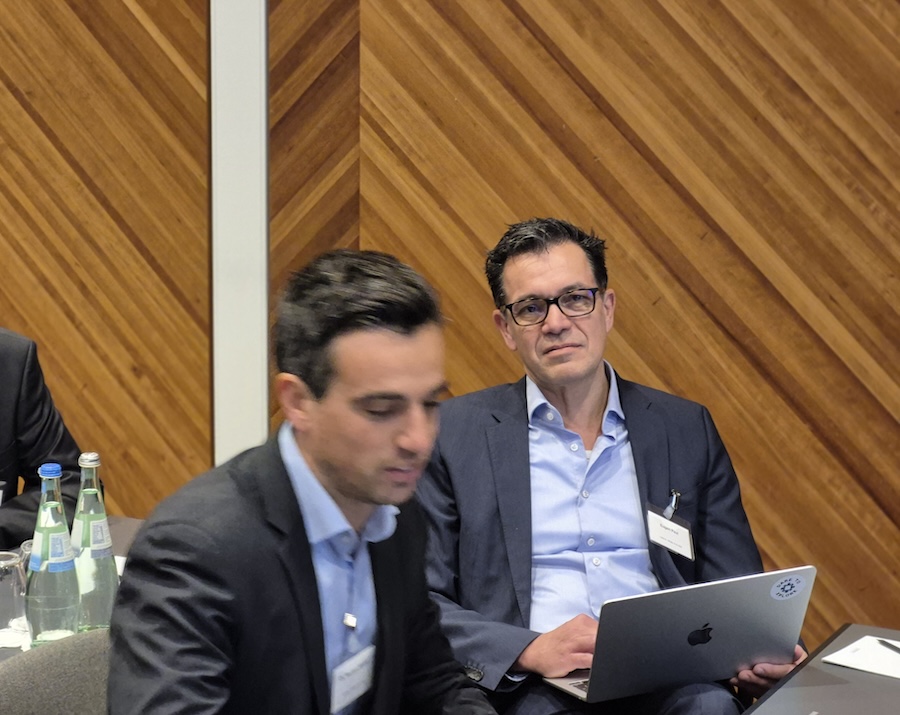
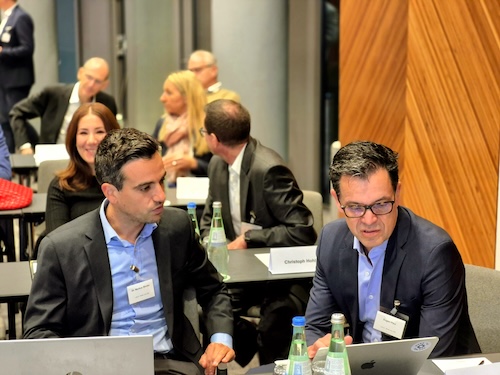
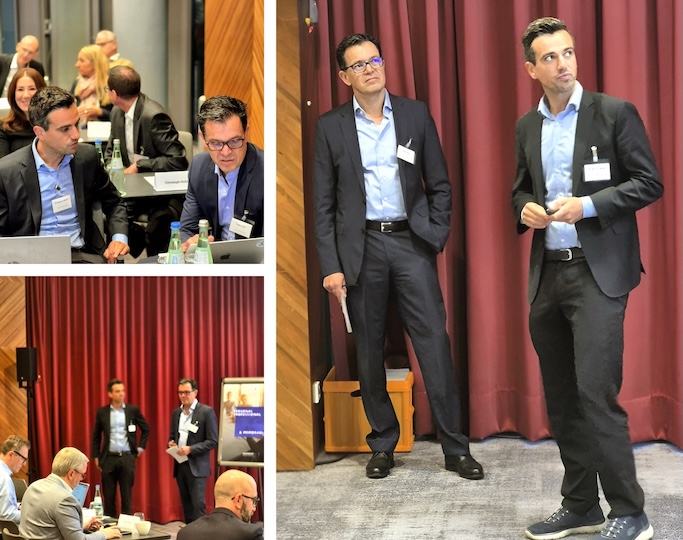
15. May 2026On March 25, 2026, Loka AI had the opportunity to present at the Spring Meeting of the BDU Fachverband Personalberatung in Frankfurt — a central forum actively shaping the future of Executive Search in Germany.
The association brings together leading Executive Search firms and acts as a platform for quality standards, knowledge exchange, and innovation across the industry.
At the center of the discussion was a concrete question:
How will artificial intelligence change Executive Search in practice?
The Hidden Goldmine: Internal Candidate Databases
One insight ran through all discussions:
The greatest competitive advantage in Executive Search already exists — but is not being used.
Over the years, extensive internal databases have been built, containing thousands of vetted candidates, well-founded assessments, and deep industry knowledge.
Yet, this potential often remains untapped. The reason lies in today’s search: keyword-based systems miss relevant profiles, synonyms are not recognized, and important information such as industry experience is often not structured or searchable.
The result is a structural problem:
The candidates are there — but they cannot be found.
The Market Is Moving at Two Speeds
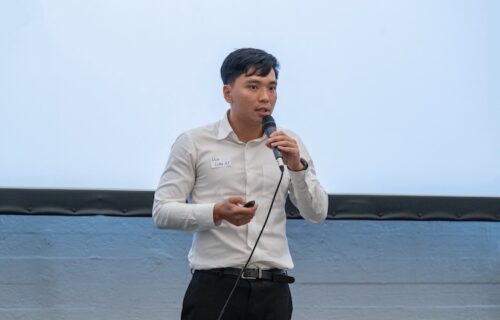
The research at TU Munich by Ha Do, based on 22 interviews across 20 Executive Search firms, shows a clear pattern:
Around 80% of firms are actively engaging with AI. At the same time, larger international players are already applying AI across multiple stages of the search process, while smaller firms remain hesitant — often due to uncertainty around implementation and data privacy
This creates a growing gap in the market:
Executive Search that operationalize AI achieve measurable efficiency gains — while others risk losing competitiveness.
A Concrete Lever: AI-Powered Search in Internal Databases
The presentation focused on a clearly defined use case:
AI-powered search in internal candidate databases.
Instead of rigid keywords, AI enables natural language search, understands roles and context, and automatically enriches missing information such as industry classification. At the same time, results remain transparent, as the relevance of candidates is clearly explained.
The impact is immediate: longlists can be generated in seconds instead of hours, relevant profiles become visible, and recruiters can refocus on evaluation and advisory work.
👉 For further insights into the discussion, see the BDU LinkedIn post.
What This Means for the Future of Executive Search
Market expectations are rising: faster delivery, higher precision, and at the same time stricter regulatory requirements.
The key question is therefore not “human vs. machine,” but:
How can human judgment and secure, explainable AI be effectively combined?
For us, the BDU event reinforced a clear conviction:
The ability to intelligently leverage internal data will define future success in Executive Search.
We are excited to work with Executive Search firms to unlock exactly this potential.